10 Best Skills to Learn for Online Income in 2026 (Beginner Friendly & High Paying)
Best Skills to Learn for Online Income in 2026
Introduction to Online Income Skills
I have started earning money by working online myself, so I will tell you in simple language, based on my experience, what online income skills are. Online income skills are those skills that help you earn money on the internet. At first, I also thought that all this would be difficult, but when I worked a little hard and learned the right skills, it started to seem really easy and interesting.
I first started freelancing. I took small writing and translation projects and created my profile on Fiverr. In the beginning, there were very small projects, but with each successful job, my confidence grew, and I started working for bigger clients. Then I also started online tutoring. I teach English to some people and give small computer classes. It is a very easy and fun way to earn money from home.
I also experimented with content creation. I started making short videos on YouTube and Instagram, and gradually, money started coming in through ads and sponsorships. It took patience at first, but persistence paid off. I also learned affiliate marketing, which is earning a commission by promoting other people’s products. I also found this method quite easy because you didn’t have to sell the products yourself; you just had to share the link.
My experience is that online money doesn’t come immediately, but if you keep learning with patience and work hard, it can be a great source of good income from home. I have experienced all these myself, and believe me, a little dedication and consistency really make a difference.

Why Learning Digital Skills Is Important in 2026
I have seen how important it is to learn digital skills in today’s era, especially in 2026. The world is rapidly going online, and those who know how to use computers, the internet, and digital tools can earn money even from home. If you don’t learn digital skills, you miss out on many opportunities.
From my experience, I can say that learning digital skills makes life easier. I learned online freelancing, social media management, and video editing, and these skills started giving me a steady income from home. The biggest thing is that digital skills give you the freedom to earn money without depending on a company or office.
In 2026, every business, big or small, is looking to go online. This means that people with digital skills are in high demand. I have seen that people with only traditional skills often fall behind over time, while those with digital skills seize new opportunities.
My advice is that if you really want to make money online or have a secure job in the future, then learning digital skills is a must. It is not just a way to make money, but also increases your personal freedom and confidence. I have experienced this myself, and believe me, with a little hard work and consistency, you too can do it.
How Online Skills Create Financial Freedom
Learning online skills can help you achieve financial freedom by giving you control over your work and earnings. When you are not dependent on a company or job, you can take full advantage of your hard work and increase your income over time.
For example, skills like freelancing, video editing, social media management, or affiliate marketing allow you to work for different clients around the world from home. This means that your earnings are not limited, and you can benefit from every project.
The biggest advantage of financial freedom is that time constraints are eliminated, allowing work to be done at your own pace. With consistent hard work and a habit of learning, online skills not only increase your income but also make life easier and happier.
Freelance Writing & Content Creation
Freelance writing and content creation are the easiest and most popular ways to make money online. If you are interested in writing, this is a great opportunity. Freelance writing involves a variety of tasks, such as writing blog posts, articles, product descriptions, or content for websites.
Content creation doesn’t just mean writing but also creating videos, social media posts, and informational graphics. These are all things that every business or blogger needs these days, and they are always looking for good writers and creators.
It is good to take on small projects at first, and as your skills grow, you can also get bigger and higher-paying clients. The biggest advantage of this is that you can work from home, set your own hours, and generate a steady income.
This method is not only a way to earn money but also helps in improving your writing and creative thinking. With consistency and dedication, you can achieve financial freedom from freelance writing and content creation.
What Is Freelance Writing?
Freelance writing is a way in which you do not need to be a permanent employee of a company or office, but you earn money by writing for clients yourself. That is, you can write blog posts, articles, website content, or product descriptions for different people or businesses from home.
The biggest advantage of this is that there is no time or place restriction. You can work according to your schedule, and the harder you work, the more you can earn. Freelance writing is not just about writing; your work is also based on valuable information, creative ideas, and good communication.
Where to Find Writing Clients
Finding writing clients can seem a bit daunting at first, but there are actually a lot of easy ways to do it. The first are freelancing websites like Fiverr, Upwork, and Freelancer. Here, you can create a profile and bid for small projects and gradually get good clients.
Another way is through social media. People are looking for writers on LinkedIn, Facebook groups, and even Twitter. Here, you can attract clients by showcasing your skills or posting.
If you are a blogger or have your own personal blog or website, people will contact you after seeing your work. Cold pitching via email is also a good way, meaning you can send an email directly to businesses and offer your services.
It is most important to take small projects and deliver good work in the beginning, because once the client is happy, they will want to work with you again and again, and your reputation will also be built.

Income Potential for Beginners
Making money from online writing or freelance writing may seem a bit slow at first, but it is entirely possible. As a beginner, you can usually earn $50 to $200 in the first month, and as experience and skill increase, this amount gradually increases.
It is best to start with small projects and simple articles, as this builds confidence and a portfolio. Some people earn $500–$1000 per month in 3–6 months, and those who deliver consistent and good work can earn $2000 or more in 1 year.
The biggest thing is that money doesn’t just come from the quantity of writing but also from the quality and delivery time. When clients are happy with your work, they will give you projects again and again, and new clients will also come through referrals.
| Month | Experience Level | Typical Projects | Expected Income (USD) |
|---|---|---|---|
| 1 | Beginner | Small articles, blog posts | $50 – $200 |
| 2-3 | Beginner – Learning | More articles, social media posts | $200 – $500 |
| 4-6 | Intermediate | Longer articles, niche content | $500 – $1,000 |
| 7-12 | Intermediate – Advanced | Client referrals, bigger projects | $1,000 – $2,000+ |
| 12+ | Advanced | Regular clients, high-paying projects | $2,000+ |
This table gives a realistic idea of what beginners can earn if they keep learning, practicing, and delivering good work.
Graphic Design
Graphic design is basically the art of communicating a message through images and designs. People create logos, social media posts, banners, flyers, and images for websites or blogs. Nowadays, every business, blogger, or social media creator needs professional and attractive designs, so graphic designers are in high demand.
You can start with simple tools like Canva or go a little further and learn Adobe Photoshop and Illustrator. You can sell simple designs at first and then move on to bigger, more lucrative projects as you gain experience.
The biggest advantage of graphic design is that it can be done from home, clients can be chosen as per their choice, and the full benefit of their hard work can be taken. With consistency and a little effort, this skill can also lead to financial freedom and improve creativity.
Essential Design Tools to Learn
If you want to succeed in graphic design, it is very important to learn some essential tools. These tools help you create professional and beautiful designs.
1. Canva:
This is the easiest and most beginner-friendly tool. Here you can create social media posts, logos, flyers, and blog graphics with the help of templates.
2. Adobe Photoshop:
This is a little advanced, but it is perfect for editing images, creating collages, and adding special effects.
3. Adobe Illustrator:
This is used for logos and vector designs. Designs that do not lose quality even when resized are created in Illustrator.
4. Figma or Adobe XD:
These tools are great for web and app design. Clients often use these tools to create UI/UX designs.
5. Procreate (for iPad users):
This is a great app for creating digital illustrations and sketches, especially for creative people who are interested in drawing.
Start with small projects, like social media graphics or simple logos, and gradually learn advanced tools. Learning these tools will not only improve your skills, but it will also make it easier to get big and high-paying clients.

Step-by-Step Learning Path for Beginners in Graphic Design
Step 1: Learn Basic Design Principles
First, it is important to understand what good design is. Get a basic knowledge of colors, fonts, alignment, spacing, and composition. These principles make designs look professional and good to look at.
Step 2: Start with Canva
Canva is the easiest tool for beginners. Create social media posts, banners, and simple logos with the help of templates here. It helps in developing confidence and basic skills.
Step 3: Learn Adobe Photoshop
Once you have basic designs, start learning Photoshop. This is where image editing, photo retouching, and advanced graphics come in. Practice with small projects.
Step 4: Learn Adobe Illustrator
Illustrator is essential for vector designs, especially logos and illustrations. Practice basic shapes, the pen tool, and vector drawing.
Step 5: Explore UI/UX Tools (Figma/Adobe XD)
If you are interested in web or app design, learn Figma or Adobe XD. Wireframes, prototypes, and interface designs are created here.
Step 6: Build a Portfolio
Whatever designs you create, collect them and create your portfolio. This is important to show to future clients. Also include small projects in Canva, Photoshop, or Illustrator in the portfolio.
Step 7: Start Freelancing
Once your portfolio is ready, start taking small projects on platforms like Fiverr, Upwork, or LinkedIn. Experience increases with small projects, and gradually, bigger projects are given.
Step 8: Keep Improving & Learning
Practice a little every day and follow new design trends. Keep these skills updated, and the demand for clients increases
| Tool / Skill | Beginner Projects | Intermediate Projects | Advanced Projects | Earning Potential (USD/month) |
|---|---|---|---|---|
| Canva | Social media posts, simple banners | Flyers, eBook covers, marketing graphics | Full branding kits, Instagram templates | $50 – $300 |
| Adobe Photoshop | Photo editing, simple collages | Web banners, poster designs | Advanced photo manipulation, digital art | $200 – $800 |
| Adobe Illustrator | Simple logos, basic vector shapes | Icons, infographics, detailed logos | Full logo packs, vector illustrations | $300 – $1,200 |
| Figma / Adobe XD | Simple app wireframes | UI screens for websites & apps | Complete app prototypes, UX projects | $400 – $1,500 |
| Procreate | Digital sketches, simple illustrations | Social media illustrations, stickers | Detailed digital paintings, character design | $200 – $1,000 |
Types of Graphic Design Services in Demand
Nowadays, there are many graphic design services that are in high demand and can be earned from sitting at home.
Logo Design
Every business or brand needs a professional logo. There is always a demand for designers who design logos, and logo projects are easy even for beginners.
Social Media Graphics
There is a high demand for creating posts, banners, and stories for Instagram, Facebook, TikTok or LinkedIn. Many bloggers and small businesses hire designers for regular content.
Website & App Design (UI/UX)
The demand for designers who design the interface and layout of websites and apps is also increasing. This work can be done by learning Figma or Adobe XD.
Infographics & Presentations
Information or presentation design is in demand to present complex information in a simple and visual way, especially for educational and marketing content.
Print Design
Flyers, brochures, posters, business cards, and banners are also often required for small businesses and events.
Illustrations & Digital Art
Digital paintings, characters, stickers, and creative illustrations can also be sold online, especially for social media and e-commerce.
Branding Kits & Marketing Materials
These are complete design packages, such as logos, color palettes, fonts, and templates. High-paying projects are available for more experienced designers.
How to Build a Strong Portfolio
A strong portfolio is the most important part of success in graphic design, because it shows clients what you can do.
Building a strong graphic design portfolio is essential to success because it shows clients what you can do. It’s best to start with small projects, whether they’re personal projects or designs for friends/family, as this builds experience and confidence. Include a variety of designs in your portfolio, such as logos, social media graphics, posters, infographics, or digital illustrations, to show that you’re capable of doing a variety of things. Instead of just showing the final work, include your design process, such as sketches, wireframes, or color ideas, so clients can be confident that you work in a structured and professional manner.
Always keep your portfolio simple and clean, and write a short description for each design to make the presentation look professional. It is best to create an online portfolio, such as Behance, Dribbble, or your own personal website, so that more people can see your designs and make a strong impression. As new designs and skills come in, update your portfolio, and highlight the best and most impressive designs because quality is always more important than quantity.
Video Editing
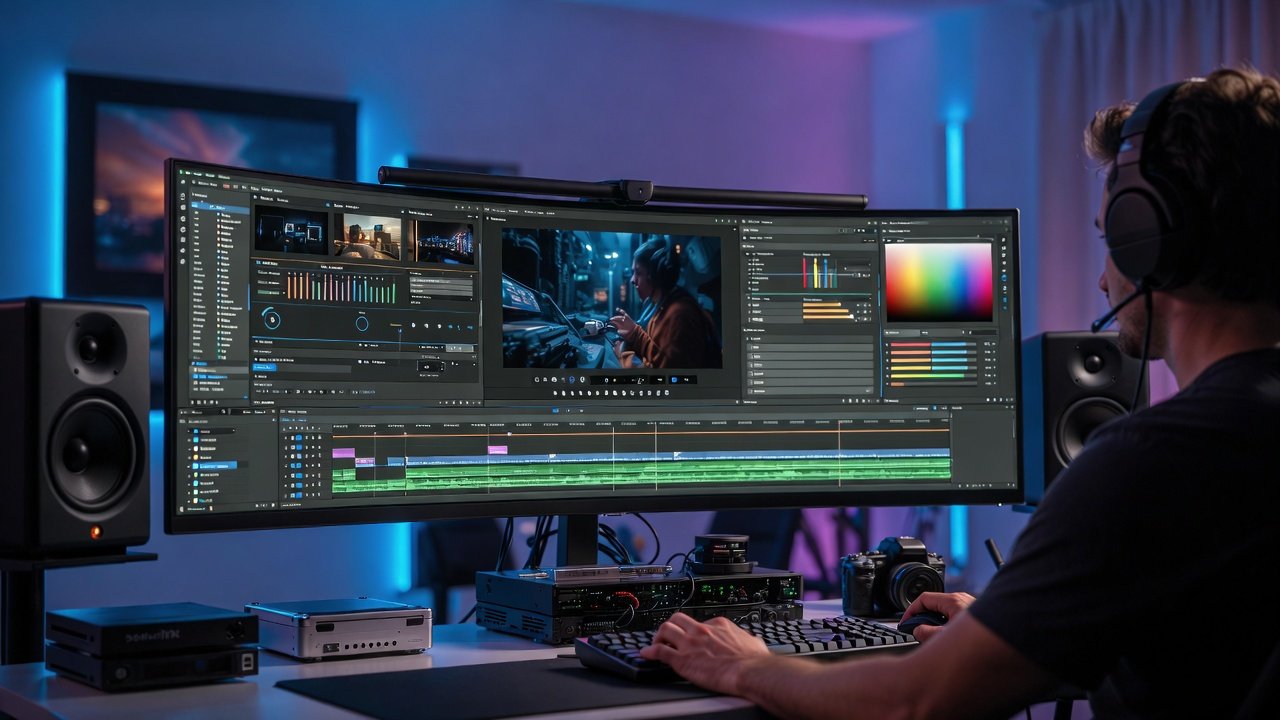
Video editing is a very popular and easy way to make money online these days. It involves editing raw footage or clips to create a professional and engaging video that can be used on YouTube, Instagram, TikTok, or Facebook. Video editors are always in demand by businesses, content creators, and influencers, as everyone wants to make their videos more engaging and attractive.
You can start with simple tools like Filmora or Canva Video Editor, and as you gain experience, it is better to learn Adobe Premiere Pro or Final Cut Pro. Start with small projects like short social media clips or YouTube intros, and gradually handle bigger projects like complete YouTube videos, promotional videos, or animations.
The biggest advantage of video editing is that it can be done from home, time can be managed at your own pace, and both experience and earning potential increase with each project. With a little practice and creativity, video editing can be a steady and good income.
Why Video Editing Is a High-Income Skill
Video editing is a high-income skill these days because every business, blogger, and social media creator needs to make their videos look professional and engaging. People want their videos to be interesting and smooth to watch, and that’s why skilled video editors are in high demand.
You can start by making small social media clips or YouTube intros, but as you gain experience and skills, you can start getting work for bigger projects like promotional videos, ads, or complete YouTube channels. The pay for each project depends on quality and experience, and advanced editors often earn $500–$2000 or more per project.
The high demand and flexible work environment of video editing make it a great skill for both beginners and experienced people. Working from home, choosing clients, and delivering work according to your creativity makes it a powerful and profitable skill.
Beginner-Friendly Editing Software
| Software | Best For | Platform | Why It’s Good for Beginners |
|---|---|---|---|
| Canva Video Editor | Social media clips, simple edits | Web / Mobile | Very easy to use with templates |
| Filmora | YouTube videos, intro/outro | Windows / Mac | Simple interface with basic tools |
| InShot | Mobile editing for short videos | Android / iOS | Drag-and-drop, quick and simple editing |
| CapCut | TikTok & Reels editing | Android / iOS | Free, trendy effects, easy to learn |
| iMovie | Basic video editing | Mac / iPhone / iPad | Free for Apple users, very simple interface |
📌 Quick Tip:
If you’re brand new, it’s easiest to start with Canva Video Editor or CapCut, as they have predefined templates and effects, and everything is done in simple drag-and-drop rather than complicated tools.
As your confidence grows, you can learn some advanced editing in Filmora or iMovie, and then gradually move on to pro tools like Premiere Pro or Final Cut Pro.
How to Get Paid Projects
Getting paid video editing projects online can seem a bit daunting at first, but there are some easy ways to make it happen quickly. First, create a profile on freelance platforms like Fiverr, Upwork, and Freelancer, showcase your skills and portfolio, and apply for small projects to build experience and positive reviews. In addition, showcasing your work on LinkedIn, Facebook groups, and Instagram is also a great way to attract clients. If you want to work for a specific business or content creator, offer your services through cold pitching or email, and be sure to include a link to your portfolio.
Even if you don’t get paid projects at first, create personal projects or sample videos and add them to your portfolio, as this shows clients that you are creative and ready. By completing small projects and building a good relationship with clients, referrals and bigger projects will start coming in. The most important thing is to keep finding new clients regularly and updating your portfolio, because once you build a reputation, getting paid projects becomes easier and more consistent.
Social Media Management
Social Media Management is a skill that involves managing the social media accounts of businesses, bloggers, or content creators. It involves scheduling posts, writing captions, uploading graphics and videos, and interacting with the audience. Nowadays, every business and brand needs to be active on social media, so the demand for skilled social media managers is high.
In the beginning, basic tasks like scheduling posts on Instagram or Facebook, designing simple graphics, or replying to audience comments are easy. As you gain experience, you can also do advanced tasks like creating content strategies, managing campaigns, and running ads.
The biggest advantage of Social Media Management is that it can be done from home, you can manage clients and work in flexible timing, and the earning potential increases with each successful campaign. This skill is suitable for beginners as well, and with consistent effort, it can become a high-income skill.
Role of a Social Media Manager
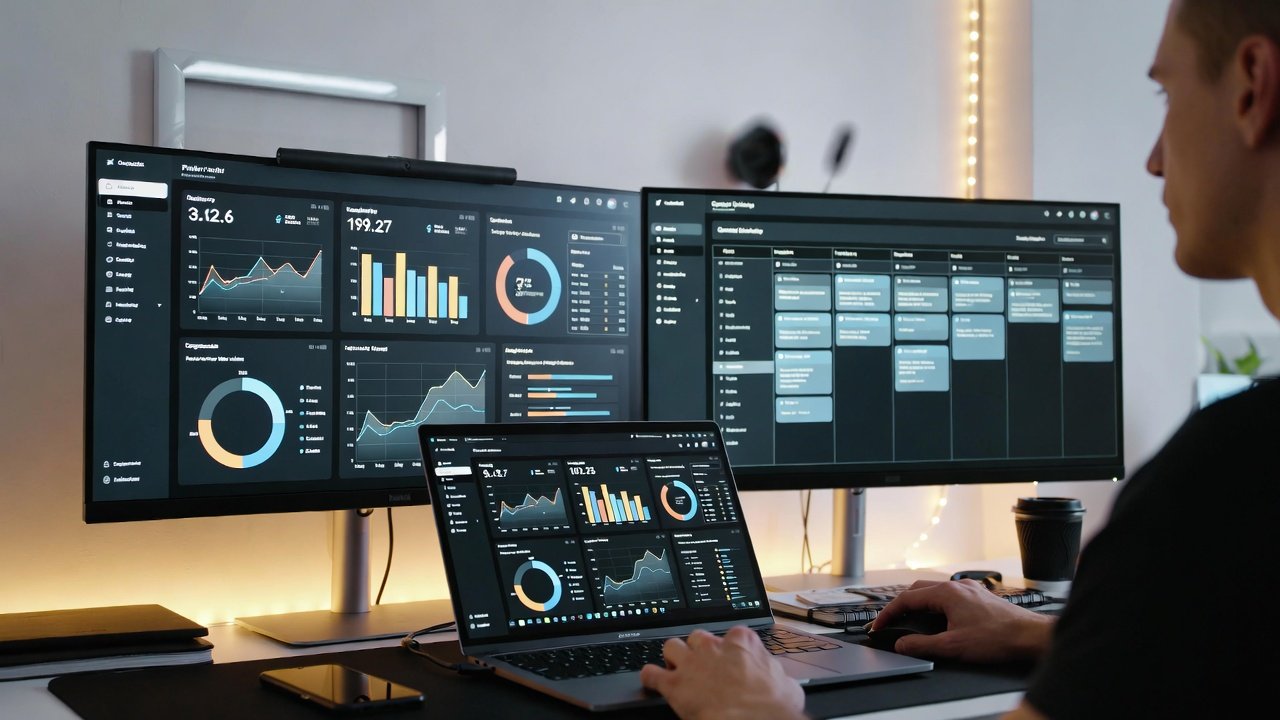
The job of a Social Media Manager is not just about posting, but rather a full-fledged responsibility that includes managing and growing the online presence of a brand or business. A Social Media Manager interacts with the audience, plans and schedules content, and makes sure that each post or campaign performs well.
In addition, a Social Media Manager also checks analytics, meaning that he sees which content is getting the most likes, shares, and engagement, so that future strategies can be improved. Occasionally, he is also responsible for running ads, designing campaigns, and coming up with creative ideas.
The main thing is that a Social Media Manager strengthens the brand’s online image, keeps the audience engaged, and helps the business grow. This skill is flexible and can be done from home, and as experience increases, it becomes easier to get higher-paying projects and long-term clients.
Skills Required to Manage Business Accounts
Managing business accounts requires certain skills so that you can work effectively and professionally. First of all, content creation skills are essential, i.e. writing catchy captions for posts, creating graphics or videos, and designing engaging content for the audience.
The second important skill is communication, as it is important to respond to comments and messages from the audience and communicate clearly and professionally with clients. Understanding analytics and strategy is also very important, so that you can know which content is performing and how to improve future campaigns.
Time management and organization skills are also essential, as a social media manager has to schedule and manage different accounts and posts. Finally, it is also important to have some creativity, trend awareness, and flexibility, so that you can keep the audience engaged with new ideas and content formats.
How Small Businesses Hire Social Media Managers
Small businesses often use straightforward methods to hire social media managers. The most common method is freelance platforms like Fiverr, Upwork, or Freelancer, where businesses search for social media managers based on their budget and project. Here, a decision is made by looking at the profile and portfolio.
The second method is direct outreach or networking. Many small businesses find active social media managers on LinkedIn, Facebook groups or even Instagram and contact them through messages. Sometimes, business owners also hire social media managers through recommendations from their circles or friends.
The third method is job postings, where small businesses post openings on their websites or job boards and interested candidates apply. It is often easier for beginners to start small projects or part-time contracts to build experience and get bigger clients in the future.
Most importantly, flexibility, communication skills, and timely delivery are essential for working with small businesses, as they want to work within their limited budgets and fast-moving social media needs.
Affiliate Marketing
Affiliate Marketing is a method in which you promote other people’s products or services and earn a commission on each sale or lead. In this, you don’t need to create your own product, just share the affiliate link. This is a very easy and low-risk way for beginners to start earning online income.
The most important thing in Affiliate Marketing is to build an audience, that is, people trust your recommendation. This audience can be created through a blog, YouTube channel, Instagram, Facebook, or email newsletter. Once an audience is created, you can promote different products and earn money on each sale or click.

How Affiliate Marketing Works
The concept of Affiliate Marketing is very simple. It involves three main things: Merchant (Product Owner), Affiliate (you), and Customer. Merchant has a product or service, and he wants as many people as possible to buy that product. As an affiliate, you promote that product and use a unique affiliate link.
When someone buys a product or uses a service through your link, you get a commission. The amount of commission depends on the product and the affiliate program. Some programs give 5–10% for low-ticket products, and some give 50% or more for high-ticket products.
The most important thing in Affiliate Marketing is the audience. People trust your recommendation; only then will they buy from your link. An audience can be built through a blog, YouTube, Instagram, Facebook, or email newsletter. Once an audience and trust are built, you can generate almost passive income because money keeps coming in with every sale or click.
Choosing a Profitable Niche
The most important thing in Affiliate Marketing is a profitable niche, that is, a topic or field that has high demand and earning potential. Before choosing a niche, it is important to think about what people are interested in and which topic products are ready to buy.
For example, niches like health, fitness, personal finance, tech gadgets, and online earning are always in demand. These niches are profitable because people are ready to invest in them and buy products or services.
In the beginning, it is better to choose a narrow niche, meaning not a very broad topic. There is less competition in a narrow niche, and it is easier to target the audience. For example, it is better to choose “home workouts for beginners” instead of the broad category of health or “budget smartphones” instead of tech gadgets.

Here are some niches I can tell you by my experience and littlebit research:
| Niche | Audience Demand | Earning Potential | Beginner-Friendly |
|---|---|---|---|
| Online Earning / Freelancing | High | High | Yes |
| Health & Fitness | High | Medium-High | Yes |
| Technology / Gadgets | Medium-High | Medium | Yes |
| Personal Finance / Investment | High | High | Medium |
| Social Media Growth & Marketing | High | Medium-High | Yes |
| Digital Skills / Courses | High | High | Yes |
| Home Workouts & Wellness | Medium | Medium | Yes |
This table shows the best niches based on audience demand, earning potential, and beginner-friendliness, which can help in choosing a profitable niche to start with.
Common Beginner Mistakes
- Wrong Niche Selection: Just looking at trends or randomly choosing a niche without considering audience interest or earning potential.
- Not Focusing on Audience: Promoting products without building an audience, which makes it difficult to get sales.
- Lack of Consistency: Giving up after a little effort, while regular content and effort are essential.
- Only Focusing on Sales: Focusing only on sales does not build audience trust; providing valuable content is also essential.
- Skipping Proper Research: Choosing products or affiliate programs without researching can lead to low commission or unreliable programs.
- No Portfolio / Proof of Work: Not creating a portfolio in freelancing or social media management, which does not gain clients’ trust.
- Ignoring Learning: Stopping Seekhna or looking for shortcuts, while skills and trends are always updated.
Online Tutoring
Online Tutoring is a skill and income method in which you teach students various subjects or skills from home. Nowadays, the demand is very high as people prefer online teaching and learning, especially in topics like English, Math, Science, Programming, or Digital Skills.
Initially, you can build experience and confidence by taking small classes or 1-on-1 sessions. As your experience increases, you can generate more income by designing group classes, workshops, or courses.
The biggest advantage of online tutoring is that you can choose flexible timing, design your own syllabus and teaching method, and the earning potential increases with each class. This skill is also suitable for beginners and is a great way to generate a consistent high-income, especially if you have a specialty or expertise.

Best Subjects to Teach Online
Some subjects in online tutoring are always in demand and are profitable even for beginners. First are English language and communication skills, as non-native speakers always look for online teachers to improve their speaking and writing skills. Next are Math and Science subjects, which are in high demand for school and college-level students.
Programming and digital skills like coding, web development, graphic design, and video editing are also very popular, as people want to learn these practical skills and start a career or freelancing.
There is also a demand for online tutoring for test preparation, such as IELTS, TOEFL, SAT, and GRE, and personal development and productivity topics, such as time management, goal setting, and soft skills, are also profitable for both adults and students. In addition, arts and creative skills such as drawing, music, photography, or digital art, and business & entrepreneurship topics such as marketing, social media management, or small business setup are also profitable niches online.
Platforms That Pay Online Tutors
To start online tutoring, it is important to choose platforms that are reliable and pay on time. The most popular platform is Udemy, where you can create your own course and give access to students, and earn on every sale. Similarly, Teachable and Skillshare are also easy platforms for beginners, where you can generate income by creating courses according to your expertise.
If you want to do 1-on-1 tutoring, platforms like Preply, iTalki, Chegg Tutors, or Wyzant are the best. Here, you interact directly with students and earn according to the hourly rate.
Social media and freelance platforms also help in this. For example, tutoring gigs can be offered on Fiverr and Upwork, and direct paid sessions can be done with clients. These platforms are easy for beginners, are trustworthy, and allow working with flexible timing.
Setting Your Rates as a Tutor
The most important thing when starting online tutoring is to set your rates. Beginners should start low to gain experience and positive reviews. As experience and credibility increase, you can gradually increase your rates.
When setting rates, consider these factors: the demand for the subject, your level of expertise, platform fees, and competition. For example, hourly rates can be higher for high-demand topics like English speaking or programming, while it is better to keep rates low for basic school subjects.
Hourly rates or per-session rates are both options. For beginners, hourly rates are easy and flexible, as they help you track direct time and earnings. The important thing is not to undercharge your value and quality, but to keep your pricing realistic and competitive in the beginning to attract clients.

How to Choose the Right Skill for You
The most important thing before starting an online income is to choose the right skill that suits you. First, look at your interests and strengths and choose the skill that you are naturally good at and that you enjoy. This will keep you motivated and get better results.
The second thing is to compare the time investment and income potential. Some skills give quick results, but the earning is low, while some skills take more time, but the earnings potential is high. Decide according to your goal and available time.
The third thing is to always focus on one skill at a time. Learn and master one skill at a time, then move on to the next skill. This approach prevents you from getting overwhelmed and helps you increase your proficiency, which can make you more professional and confident.
Conclusion:
Starting to learn online skills is just the first step; the real success lies in consistency and practice. Dedicating a little time every day, learning new techniques, and constantly working on your skills make you an expert. Without regular practice, knowledge can fade, and opportunities can be missed.
The second important thing is to turn acquired skills into long-term online income. This is not limited to temporary projects or small gigs, but as experience and reputation grow, you can generate higher-paying clients, recurring projects, and even passive income. Monetizing skills, building a portfolio, and establishing trust with an audience or clients are the main ways to sustainable online income.
Finally, with patience, dedication, and a smart approach, you can turn your chosen skill not just a hobby but a profitable career.